
Get to Know the Botanical Deterrents That Protect You From Mosquitoes
Instant Overview
- Oil of lemon eucalyptus is among the best mosquito repellent options, providing protection for a few hours after application.
- The compounds that deter mosquitoes are only released when a plant is pruned, crushed, rubbed, or burnt.
- Combining multiple mosquito-control techniques (improving air circulation, maintaining your landscape, using repellents, etc.) is the most reliable way to get results.
- One of the simplest ways to reduce mosquito activity is to regularly remove containers, puddles, and other sources of stagnant water.
- Protect your loved ones from bites, itching, and diseases with mosquito services from Plant It Earth.
How Do Mosquitoes Know You’re There?
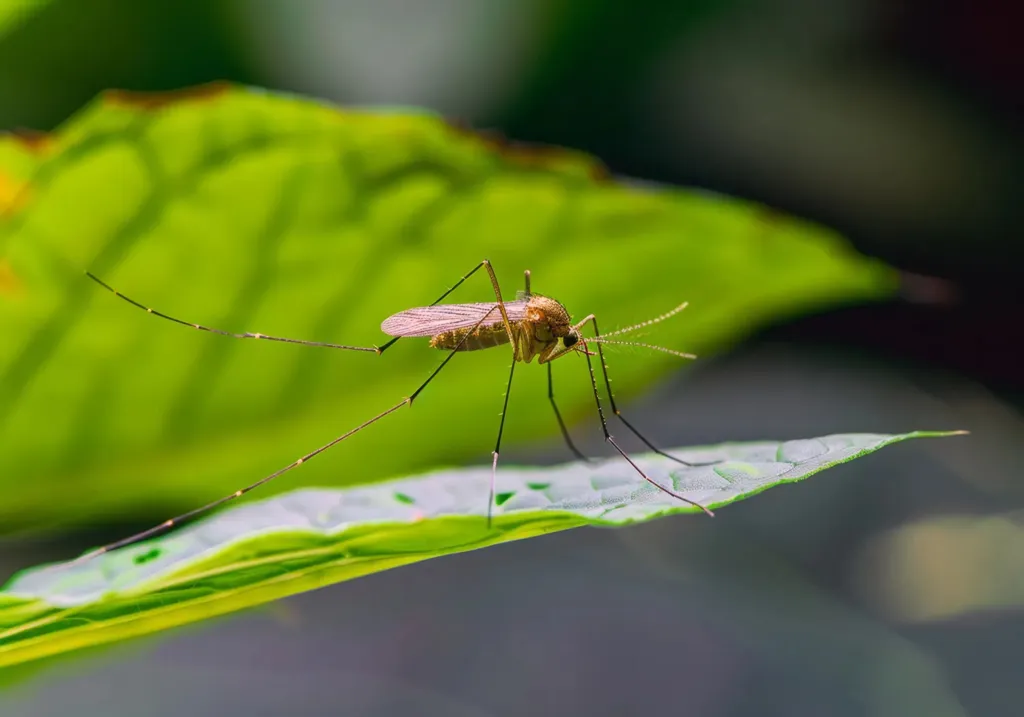
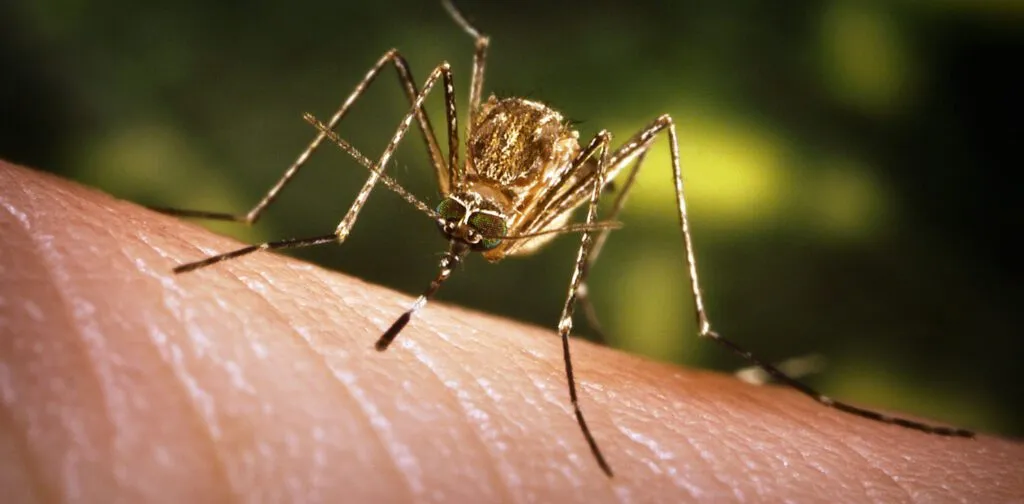
Before figuring out how to stop them, it helps to understand how common types of mosquitoes find you in the first place.
Mosquitoes follow signals your body produces automatically:
- The carbon dioxide you exhale
- The heat your skin radiates
- The chemical mix your body puts out
It’s a surprisingly precise tracking system for an insect that small. Natural mosquito repellents work by disrupting that tracking system. The oils concentrated in certain plants and in extracted essential oils mask or scramble the signals mosquitoes follow.
What most people get wrong is expecting a plant to do this passively. The oils stay bound in the plant’s tissues until something physically releases them.
Want to activate a plant’s oil? Crush its leaves, snap the stems, burn it, or apply an extracted oil directly to your skin. That’s what actually puts protective compounds into the air around you.
Start With Standing Water
If there’s one to-do item that’s essential, it’s removing standing water from your property. Why? Because mosquitoes breed in standing water.
A container the size of a bottle cap holds enough water for a female to deposit hundreds of eggs. Within days, those eggs become larvae, and pretty soon, those larvae are airborne adults.
Walk your property and look for any staning water: clogged gutters, buckets or bins left upright, containers that collect rainfall, low spots in the yard where water pools after a storm, and birdbaths that aren’t being refreshed frequently.
Drain whatever you can. Flip containers that don’t need to hold water. Change birdbath water at least twice a week.
You’d be surprised how much this one step does to reduce mosquito populations around your home!
Mosquito-Deterrent Plants for Tampa, FL
Plants are a really useful layer of your overall strategy. They just need to be placed where they’ll be brushed against, trimmed, or harvested.
Culinary Herbs
Rosemary thrives in Tampa’s climate, and its fragrance is released when people move near it. Planted along a walkway or near a door, it gets activated regularly.
Mint and peppermint produce a sharp, intense fragrance that mosquitoes find off-putting. Crush a few leaves and rub them on your arms before heading outside for a quick, no-cost repellent.
Basil is one of the most practical options available. It releases its oils through light handling, meaning even a casual brush as you walk past adds some deterrence. Simply keep containers near your seating area.
Thyme, when bruised or burned, releases thymol, a naturally occurring compound with insect-repelling properties. Dropping a few sprigs onto coals while you’re cooking or gathered around a fire adds a layer to an already-enjoyable outdoor experience.
Garlic works as a slow-building, low-level deterrent. It’s not dramatic on its own, but as one component of a stacked approach, it contributes to the broader picture.
Flowering Plants
Geraniums (Pelargonium citrosum variety) release a citrusy fragrance that mosquitoes reliably avoid. Container-grown, they can be repositioned wherever your gathering is happening.
Lavender is well-known as a repellent plant thanks to the active compound linalool. Brushing against the plant, using dried flowers, or applying extracted lavender oil to your skin are all effective. It also looks great!
Citronella grass is the botanical source of the oil in every citronella candle you’ve burned. So it’s actually more potent than those candles. It thrives in Tampa and performs best in containers.
Marigolds contain pyrethrum, the same compound used as an active ingredient in a range of commercial insect repellent products. They’re easy to establish and work well as border plants.
Lemongrass grows well in Florida’s heat and humidity, produces a clean citrusy scent, and creates an attractive tropical effect along patio edges.
Lesser-Known Plants
Catnip tends to get underestimated. Research has demonstrated that nepetalactone, the compound responsible for its effect on cats, can outperform DEET in controlled settings. Just crush the leaves to unlock that effect!
A handful of sage leaves placed on fire pit coals releases aromatic smoke that functions as a real deterrent. Bonus: It smells significantly better than most mosquito sprays.
More About Essential Oils
Essential oils deliver the same active compounds as repellent plants, but at concentrations that produce reliable, meaningful protection.
Oil of lemon eucalyptus is the standout. It’s the only plant-derived repellent the CDC formally recognizes as comparable to DEET. It offers two to three hours of solid protection from a single application.
Pure citronella oil is a different product than the candles most people associate with citronella. The candle version disperses a diluted compound slowly through burning wax in open air. The concentrated oil used in a spray or diffuser delivers meaningfully more active compound to the space you’re protecting.
Lavender oil smells wonderful and is gentle enough for most skin types. It’s ideal for lower-pressure situations where maximum strength isn’t the priority.
Tea tree oil brings both insect-repelling and antimicrobial properties. It’s important to dilute it before skin application, though. Undiluted tea tree causes irritation.
Before applying anything, dilute all essential oils in a carrier before they contact skin. Several commonly used oils can cause real problems for children and animals at concentrations adults handle comfortably.
DIY Pest-Repellent Recipes
For outdoor spaces:
- Herb bundles burned on the grill or near a fire pit fill the surrounding air with aromatic smoke that deters mosquitoes.
- Citronella candles perform best in partially enclosed spaces with limited airflow.
- Scattering crushed lavender or mint leaves around seating adds a ground-level deterrent.
Basic spray:
- Mix one part essential oil with ten parts carrier (witch hazel or distilled water).
- Shake thoroughly before each use, since oil and water separate on standing.
- Reapply every two to three hours, or sooner after heavy sweating.
Oil-based skin formula:
- Add three to five drops of essential oil to one ounce of carrier oil.
- This version tends to stay active slightly longer than water-based formulas and holds up better in humid Tampa conditions.
- Apply to exposed skin and avoid contact with eyes and mouth.
What Tampa’s Climate Means for Your Strategy
This is where Florida’s conditions kind of work in your favor.
Lemongrass, citronella grass, and rosemary flourish in Tampa’s heat and humidity and can be maintained as permanent landscape features. That means year-round availability of living plant material to draw on.
The challenge, of course, is that mosquito season doesn’t pause here. In Tampa, mosquitoes can keep buzzing around, even through winter. That makes the layered approach more important.
No single strategy sustains twelve months of mosquito pressure on its own. Combining plants, applied oils, standing water elimination, yard maintenance, and airflow gives you the depth of defense that year-round conditions require.
Additional Mosquito-Reducing Tips
Maintain your yard. Dense, overgrown vegetation gives mosquitoes the habitat they prefer during daylight hours.
Keeping grass trimmed, managing shrubs, and clearing debris reduces available daytime shelter. That translates to fewer active mosquitoes during the hours you want to use your outdoor space.
Get a fan or two. Mosquitoes are weak fliers. Modest airflow creates a zone that’s difficult for them to navigate.
A box fan directed at your seating area makes landing difficult and disperses the carbon dioxide and body-chemistry signals that attract mosquitoes toward you.
Natural vs. Synthetic Mosquito Repellents
Natural repellents are perfect for everyday backyard use. After all, there’s usually a shorter protection window that’s manageable when you’re at home and can reapply as needed.
DEET becomes the better tool when mosquitoes pose a real disease risk, when you’re going to be outside for an extended stretch without the option to reapply, or when mosquito pressure is simply too heavy for botanicals to manage adequately. It provides longer-lasting protection and has a solid record when used as directed.
Picaridin is your third option. It’s synthetic like DEET but odorless and gentler on plastics, fabrics, and skin. For people who find DEET’s smell or feel objectionable, picaridin is a legitimate alternative with comparable effectiveness.
When Natural Methods Have Done What They Can
For smaller properties with manageable mosquito activity, a well-executed natural strategy genuinely works. That includes standing water removed, plants positioned thoughtfully, oils applied before going outside, fans running, and vegetation kept trimmed. Many Tampa homeowners handle their mosquito situation effectively this way.
If the mosquitoes just won’t quit bothering you, it’s time to reach out to the pros at Plant It Earth. Maybe you live near a body of water, have extensive landscaping, or just have a large mosquito population. No matter what the reason, we can help!
Plant It Earth’s mosquito control programs target active populations, address breeding and resting sites across your specific property, and make your home enjoyable.
We proudly provide lawn care and pest control services in Sarasota and lawn care and pest control services in Tampa. We’ve helped your neighbors enjoy picture-perfect lawns, and we can help you, too!
Mosquito Repellent Questions & Answers
-
What's the most effective natural mosquito repellent?
Oil of lemon eucalyptus, applied in a diluted carrier. It delivers two to three hours of protection.
-
How do I keep mosquitoes away from my yard naturally?
Remove standing water, then layer in repellent plants near gathering areas, apply essential oil-based repellents to exposed skin, keep grass and vegetation managed, and use fans to disrupt both mosquito flight and the chemical signals that attract them.
-
Do mosquito-repellent plants actually work?
They do, but the oils need to be actively released.
-
Are natural repellents safer than DEET?
They carry fewer synthetic chemical concerns. The trade-off is a shorter protection window and more frequent reapplication.
Blog Contributor: Brandon Batchelder
Brandon Batchelder serves as the Bradenton Branch Manager for Plant It Earth, with 11 years of experience. He is a Certified Pest Control Operator in Lawn and Ornamental, as well as General Household Pest and Rodent Control. His professional perspective is shaped by team development, customer satisfaction, business growth, and helping employees succeed both personally and professionally.