
Learn How to Get Ahead of This Aggressive Weed
Crabgrass can take over a Florida lawn quickly. One minute your yard is gorgeous. The next thing you know, light-green patches are choking out your previously healthy grass. If you’ve battled crabgrass before, you know how difficult it can be to eradicate.
With a correctly timed crabgrass preventer, you can save your yard from the threat of this annoying weed. Keep reading to get lawn care tips from Plant It Earth, including how to kill crabgrass, when to use pre-emergent, and even more advice for Florida lawns!
What Is Crabgrass?
Crabgrass is a summer annual. It sprouts when soil temperatures climb in spring, runs aggressively through the summer heat, and eventually dies back when temperatures drop enough in Florida.
However, before it dies, a single crabgrass plant can drop tens of thousands of seeds into your soil. Those seeds don’t go anywhere. They stay ready to repeat the whole process the moment conditions improve. So one missed season of crabgrass control is a big deal.
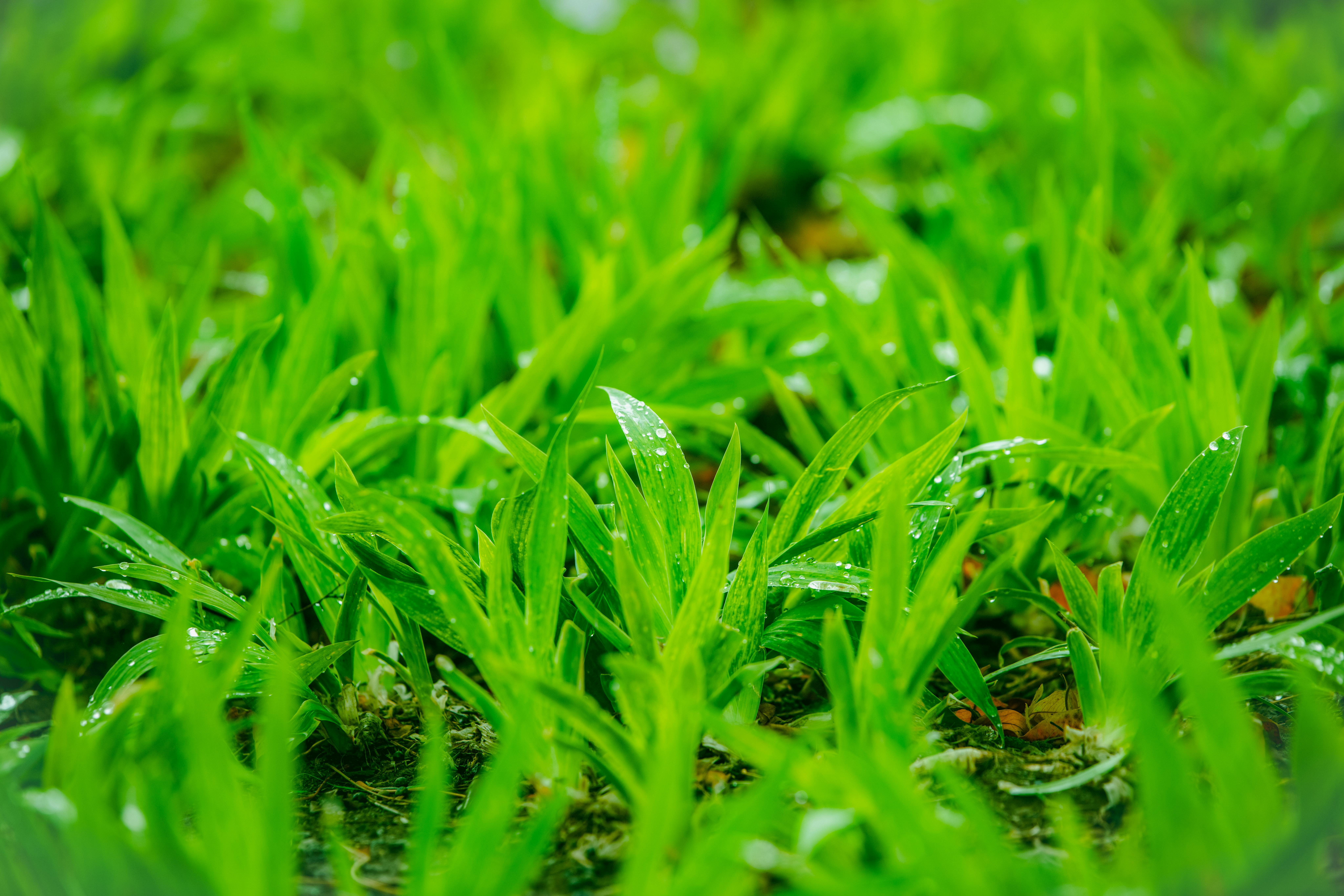
Identifying It Before Treating It
Getting a positive ID before attempting weed control or reaching for any herbicide matters. Certain products that target crabgrass can damage or suppress the turf want, if they’re applied incorrectly.
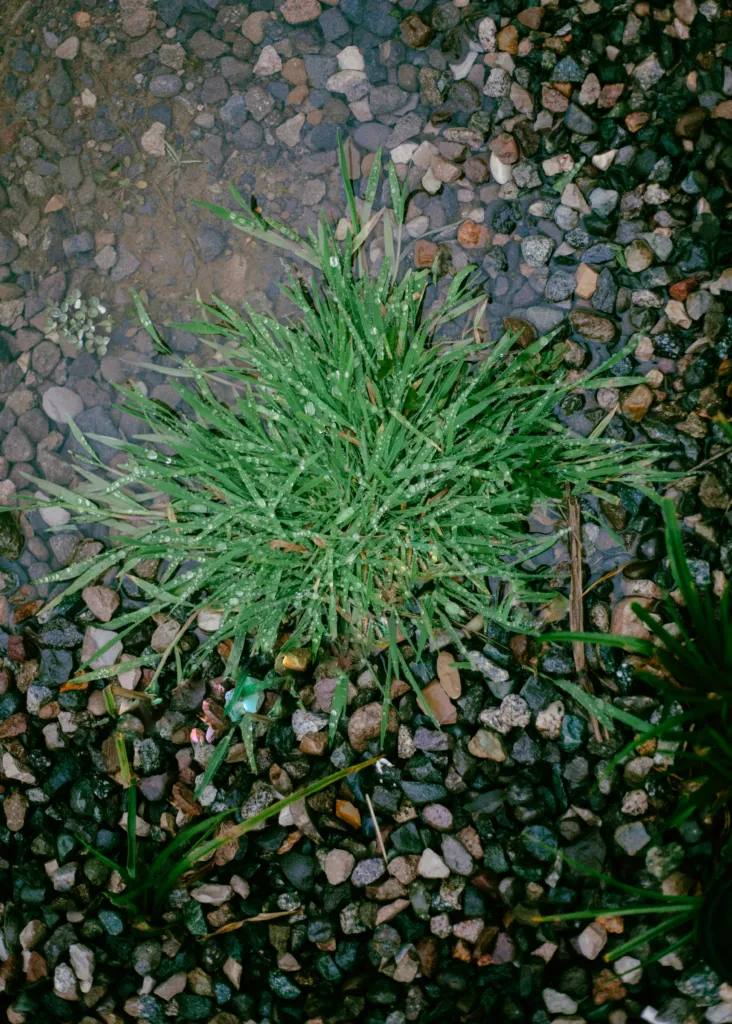
Crabgrass has a few instant giveaways:
- Blade width: noticeably broader and flatter than typical lawn grasses
- Texture: fine hairs visible along leaf surfaces and stem edges
- Color: a lighter, more yellow-green than surrounding turf
- Growth habit: low and spreading, with stems that reach outward rather than upward
- Stem length: longer than the grass around it, giving patches a distinctly shaggy look
When in doubt, photograph the affected area and run it by a lawn care professional. Lookalike weeds like goosegrass and dallisgrass respond differently to treatments.
Why Crabgrass Preventer Is Best
Once crabgrass is visible and actively growing in your lawn, control becomes hard. The more effective strategy? Prevent germination from happening in the first place.
Pre-emergent products work by creating a chemical barrier below the soil surface. When crabgrass seeds begin to germinate and their roots hit that layer, development stops. The seed never becomes a plant. It’s a proactive approach that works really well.
Pre-emergents come in two main forms:
Liquid formulations move through the soil quickly and create uniform coverage across the treated area. They require a sprayer and some care during application. Professional lawn programs often prefer liquids for the consistency they deliver.
Granular formulations are the more accessible option. A basic broadcast spreader handles the job, and granular products are widely available at garden centers. The catch? Rain or irrigation has to follow the application to push the product into the soil and form the protective layer.
Why Split Your Application?
A split application is better than a single one, especially in a climate like Tampa and Sarasota’s.
That’s because crabgrass doesn’t germinate all at once. It comes in waves as soil temperatures fluctuate. A single application, laid down at the right time, can lose its effectiveness before the full germination window closes.
A split-application schedule looks like this:
- First application: when soil temperatures approach 50–55°F and early seasonal cues appear
- Second application: roughly six to eight weeks later
This two-phase crabgrass approach extends the period of protection through more of the season than a single pass can cover.
When to Avoid Pre-Emergents
Pre-emergent herbicides don’t discriminate between weed seeds and grass seeds. The same barrier that stops crabgrass from germinating will stop newly seeded lawn grass from establishing too.
If you’ve recently seeded any part of your lawn, or if you’re planning to overseed in the near future, pre-emergent application needs to wait.
Most lawn professionals recommend holding off until you’ve completed at least three to four full mowing cycles on newly seeded or sodded areas. This gives the turf enough time to establish a solid root system.
What to Do If Crabgrass Is Already Growing
Missing the pre-emergent window isn’t the end of the world. However, it does change the approach. Post-emergent herbicides can still achieve results.
Treat early. Young crabgrass plants respond much better to herbicide than the dense, mature mats that develop by midsummer. The difference in effectiveness between early and late treatment is significant. If you spot crabgrass emerging, don’t wait!
Cover the whole plant. Crabgrass grows in a low, spreading pattern, so wetting just the center of a plant isn’t enough. Full leaf coverage across the entire spread is important.
Respect the mowing window. Avoid mowing for 48 hours before and after any post-emergent application. Mowing removes leaf surface the product needs to work with.
Plan for a follow-up. Most established infestations need a second application seven to ten days after the first.
On product selection:
Quinclorac is the go-to selective post-emergent for crabgrass. Selective means it targets the weed without taking out your surrounding turf. But be sure to read the label and verify compatibility before applying.
Fenoxaprop is another selective option, effective against crabgrass, though it’s more often used in professional applications than found on retail shelves.
Glyphosate is non-selective and will eliminate turf along with the weed. It’s appropriate only as a spot treatment when you’re fully prepared to reseed the area afterward.
5 Tips to Make Crabgrass Prevention Easier
Pre-emergent does its best work in a lawn that’s already healthy and competitive. A thin, stressed lawn with compacted soil is a difficult environment for herbicides and an easy one for crabgrass. The underlying conditions matter.
- Raise your mowing height. Longer grass shades the soil surface, which keeps ground temperatures lower and slows germination. Taller turf also puts energy into deeper roots.
- Aerate annually. Compacted soil limits grass root development while giving crabgrass a competitive edge. Aeration opens the soil, improves drainage, and helps fertilizer and water reach where they’re needed.
- Water differently. Shifting to deeper, less frequent watering sessions draws grass roots downward and makes the surface environment less hospitable for germination.
- Run a soil test. pH imbalances and nutrient deficiencies undermine turf density in ways that create crabgrass openings.
- Consider corn gluten meal. It won’t match the results of a synthetic pre-emergent, but corn gluten meal does provide some germination suppression and doubles as a light nitrogen source.
Why Might Crabgrass Preventer Fail?
If you applied pre-emergent and crabgrass showed up anyway, the problem usually comes back to one of these factors:
The timing was off. Applied too early and the product degraded before germination. Applied too late and germination had already begun.
The granules weren’t watered in. No activation means no barrier. This is the single most common DIY mistake with granular products.
Coverage was uneven. Gaps in spreader passes leave open zones where crabgrass germinates freely. Calibrate your spreader, maintain a consistent walking pace, and overlap slightly on each pass.
The soil was disturbed after application. Aerating, dethatching, or any significant digging after applying pre-emergent can break the barrier and ruin its effectiveness.
The rate was too low. Under-applying is a frequent mistake.
The lawn is the real issue. If turf is thin, heavily stressed, or growing in compacted soil, pre-emergent alone isn’t enough. Weed pressure will find the weak spots. Address the underlying health issues alongside the chemical program.
Common Crabgrass Questions
-
Can mowing spread crabgrass?
Yes. Once seed heads develop, mowing can distribute seeds to other parts of the lawn.
-
Will pre-emergent help if crabgrass is already established?
No. At that stage, you need a post-emergent approach or a longer-term plan.
-
Does crabgrass die completely in winter in Florida?
The plant dies, yes, though Florida winters don’t always get cold enough to finish the job before late in the season. The seeds it left behind overwinter fully intact and are ready to germinate next spring.
-
Can I apply fertilizer and pre-emergent at the same time?
In most cases, yes. Combination granular products that include both are widely available and commonly used.
Plant It Earth Can Help Your Florida Lawn!
Getting ahead of crabgrass in Tampa and Sarasota is a timing game more than anything else. Florida’s climate extends both the opportunity and the pressure compared to most of the country. The earlier you get your pre-emergent down (and the healthier your turf), the more likely you are to succeed.
Want to win the crabgrass battle in your yard? Reach out to the lawn care experts at Plant It Earth! We proudly provide lawn care and pest control services in Sarasota and lawn care and pest control services in Tampa.
Blog Contributor: Brandon Batchelder
Brandon Batchelder serves as the Bradenton Branch Manager for Plant It Earth, with 11 years of experience. He is a Certified Pest Control Operator in Lawn and Ornamental, as well as General Household Pest and Rodent Control. His professional perspective is shaped by team development, customer satisfaction, business growth, and helping employees succeed both personally and professionally.