

Learn How Cooler Temperatures Impact Pest Activity Near Your Home
Article Overview at a Glance:
- Pests hide from cold, often sheltering in soil or bark and slowing down via diapause
- Florida freezes rarely kill off local pest populations
- Colder weather sends pests like German cockroaches seeking warmth indoors
- Sealing entry points and removing food and water sources is the best way to prevent pests from coming in
- Plant It Earth offers professional pest control services for Florida homes
Some homeowners welcome winter cold snaps because they wipe out part of the pest population. But is that actually correct?
Insects instinctively know how to deal with cold weather, so they’re better at it than we give them credit for. A chilly, 50-degree night that sends you digging for a jacket may barely register for a beetle grub six inches underground.
When you understand how pest behaviors change during winter and why, you’ll be able to do more than just hope for a hard freeze to solve your insect problems.
What’s Winter Like for Insects?
You might pay a lot of attention to your weather app to get a better sense of how it feels outside. However, the air temperature makes little difference to the beetle overwintering under your mulch bed.
That’s because most insects spend the cooler months somewhere you can’t see them. They could be buried in soil, tucked into bark crevices, packed into leaf litter, or holed up inside a structure.
In other words, many pests aren’t even exposed to the air. Professional entomologists note that moist soil, leaf litter, and decaying wood provide the insulation and camouflage insects need to survive cooler stretches.
So whatever the thermometer says, insects are usually riding out the winter in a place that’s several degrees warmer than the outside temperature.
Also playing a role in how pests survive chilly temps? The life stage of the creature.
For instance, a Japanese beetle spends winter as a larva. (Those are the C-shaped white grubs you see when you dig up part of your yard.) A stink bug waits it out as an adult, often behind your siding. Others get through the cold as eggs or pupae, sealed away until conditions improve.
Each of these stages comes with its own built-in cold-weather trick that’s usually some combination of a physiological adjustment and a well-chosen hiding spot.
Insects don’t generate their own body heat. So their internal temperature tracks the environment around them. Each species has its own developmental threshold, a temperature below which they stop doing much of anything. For a wide range of common insects, that point is around 50°F. That’s when insect activity slows down or stops completely until it gets warmer.
Is Diapause the Same as Hibernation?
The word people usually talk about is “hibernation,” but entomologists call it diapause, and it isn’t quite the same thing. During diapause, an insect’s metabolism slows down. The bug stops feeding, growing, or reproducing.
It’s conserving energy until temperatures rise again. As we noted earlier, an insect can enter diapause as an egg, a larva, a pupa, or an adult. This can last anywhere from a few weeks to several months.
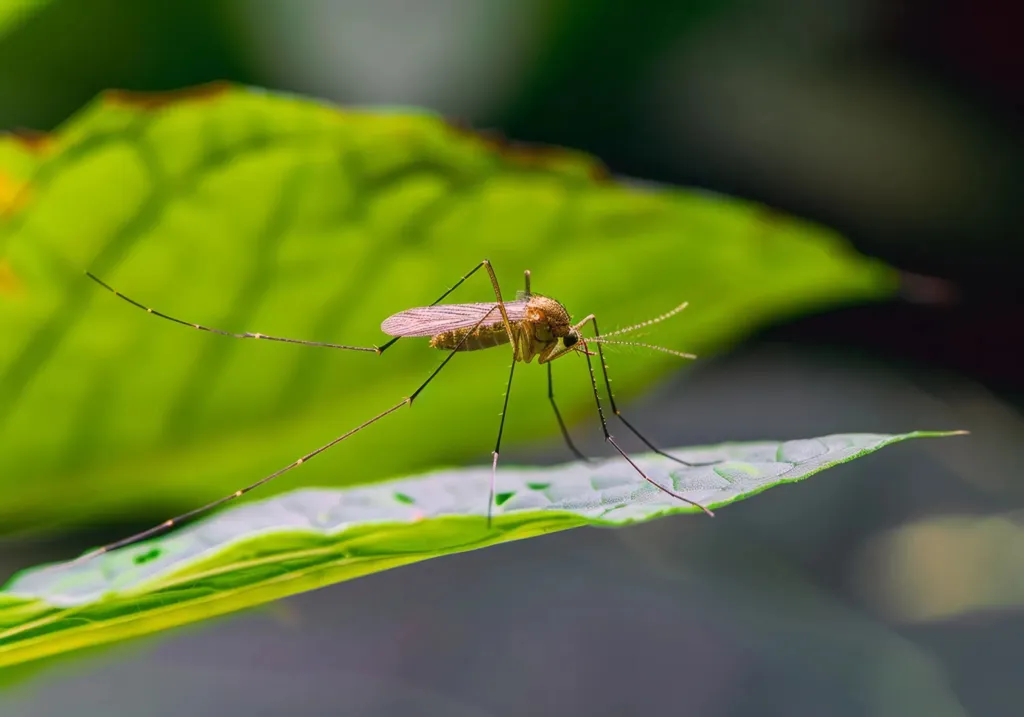
Mosquitoes are a good example. These bloodsuckers shift into a diapause-like state once temperatures drop below 50°F. Their eggs or larvae simply stay in that stage until warmer weather returns. Plus, females won’t lay eggs again until conditions improve.
In short, mosquitoes don’t disappear when temperatures plummet. They cluster in places like a hollow tree or an animal burrow, waiting for warmer weather.
Diapause is also why the “hard freeze will kill everything off” hope rarely pans out in Florida. While temperatures do drop below freezing here, it’s normally not cold enough for long enough to affect insect populations going into the next year.
Even a stretch of really cold weather usually just pushes insects into deeper cover. Beetle larvae, for instance, can move further down into soil or into logs, and continue feeding on decomposing material right through the winter.
Which Pests Try to Come in When It’s Cold?
While some insects wait things out in your yard, sudden temperature drops do change behavior for the pests most likely to end up inside your house. Here are some of the uninvited guests that might try to make themselves at home.
Cockroaches
Roaches are ectotherms, and they don’t have a dormancy option that keeps them comfortable outdoors through a cold snap. So shelter-seeking is their main strategy.
As temperatures fall, cockroaches actively move toward warmer spots such as:
- Wall voids
- Spaces around plumbing
- Areas near appliances that give off heat
- Places insulated from the outside air
In other words, a well-sealed, climate-controlled house is exactly what they’re after in the winter.
This is where sanitation is extremely critical. A roach that gets inside needs food and moisture to establish itself. One of the best defenses against this? A clean kitchen.
Standing water from a slow leak, food residue left after a gathering, or dishes left overnight are all it takes to turn a single cockroach into an infestation. Keeping counters wiped down, pipes leak-free, and floors free of crumbs goes a long way toward making sure that any roaches that do get in don’t stick around.
Signs of cockroaches include:
- Droppings that resemble black pepper or coffee grounds
- Egg cases, which vary in size and shape between species
- A strong, musty odor in heavily infested areas
Ants, Bees, and Ladybugs
Social insects like ants and honeybees handle cold differently than solitary pests. These kinds of insects cluster together in large colonies or hives, generating warmth collectively. They also scale back foraging and brood-rearing to conserve the food they’ve already stored.
Their strategy is built around numbers. No single ant attempts to survive the cold alone.
Ladybugs take a more visible approach. They look for cracks and crevices on the sunny side of a house. They’ll congregate in large numbers inside homes, barns, or other buildings during the winter.
While ladybugs are harmless and won’t reproduce indoors, it can be surprising for Florida homeowners to find a few dozen clustered in a window frame or attic corner.
Again, this happens mainly in cold weather and causes the bugs to stay put for a while. Once temperatures start climbing on a warm afternoon, the cluster gets active.
Spiders & Silverfish
A few more pests round out the winter watch list. Spiders and silverfish gravitate toward the same dark, damp spaces (closets, attics, etc.) that stay humid year-round. They’re often noticed less because of the damage than for the startle factor of a web in the wrong place.
Other signs of silverfish activity? Damaged books, papers, wallpaper, or textiles. Plus, small pepper-like feces in areas of infestation.
How to Keep Winter Pests Out
You don’t need to take any drastic steps to keep pesky insects out in cooler weather. Mostly it’s about walking around your property and closing the gaps that make a house attractive in the first place.
- Seal obvious entry points. Check around windows, doors, and foundation gaps, and add weatherstripping or door sweeps where air (and insects) can get through.
- Store firewood away from the house. A woodpile stacked against an exterior wall is an invitation for beetles and spiders to move a few feet closer to your door.
- Keep up with routine cleaning. Crumbs, pet food left out overnight, and standing water are things that can turn a stray pest into an established one.
- Check potted and indoor plants. You may not think about it, but soil in houseplants can shelter small insects looking for a humid winter hideout.
The Bottom Line
A cold front moving through Florida slows pest activity down, but it doesn’t get rid of them. Most species have spent millions of years figuring out how to wait out worse conditions than a Florida cold snap, whether that means dropping into diapause or heading for the nearest warm building.
Remember, cooler temperatures may keep insects from being as active as they normally are, but short drops in temperature won’t drastically change overall populations. Those pests are just taking a short break before spring brings them back into view.
The practical takeaway isn’t to expect a die-off. It’s to use the slower season to your advantage. Seal up the house, clear out the food and water sources that make it appealing, and handle entry points before, not after, the next cold snap sends something looking for shelter.
Need help in your fight against pests this winter and beyond? Reach out to the local experts at Plant It Earth! We proudly provide lawn care and pest control services in Sarasota and lawn care and pest control services in Tampa. We’ve helped your neighbors enjoy pest-free homes, and we can help you, too!