Get your lawn back on track with 50% OFF first application!* 50% OFF First Application!* Call Now

FIRE ANT CONTROL FOR DURANT LAWNS AND OPEN YARDS

Professional Fire Ant Control Services in Durant, FL

Fire ants can make a yard feel unsafe quickly. One mound near a driveway, sidewalk, fence line, garden bed, play area, mailbox, shed, or pet space can lead to painful stings when the colony is disturbed.

Plant It Earth provides fire ant control in Durant, FL for active mounds, lawn activity, and outdoor areas your family uses every week. Our fire ant treatment service focuses on the colony, the lawn, and the places where sting risk is highest.

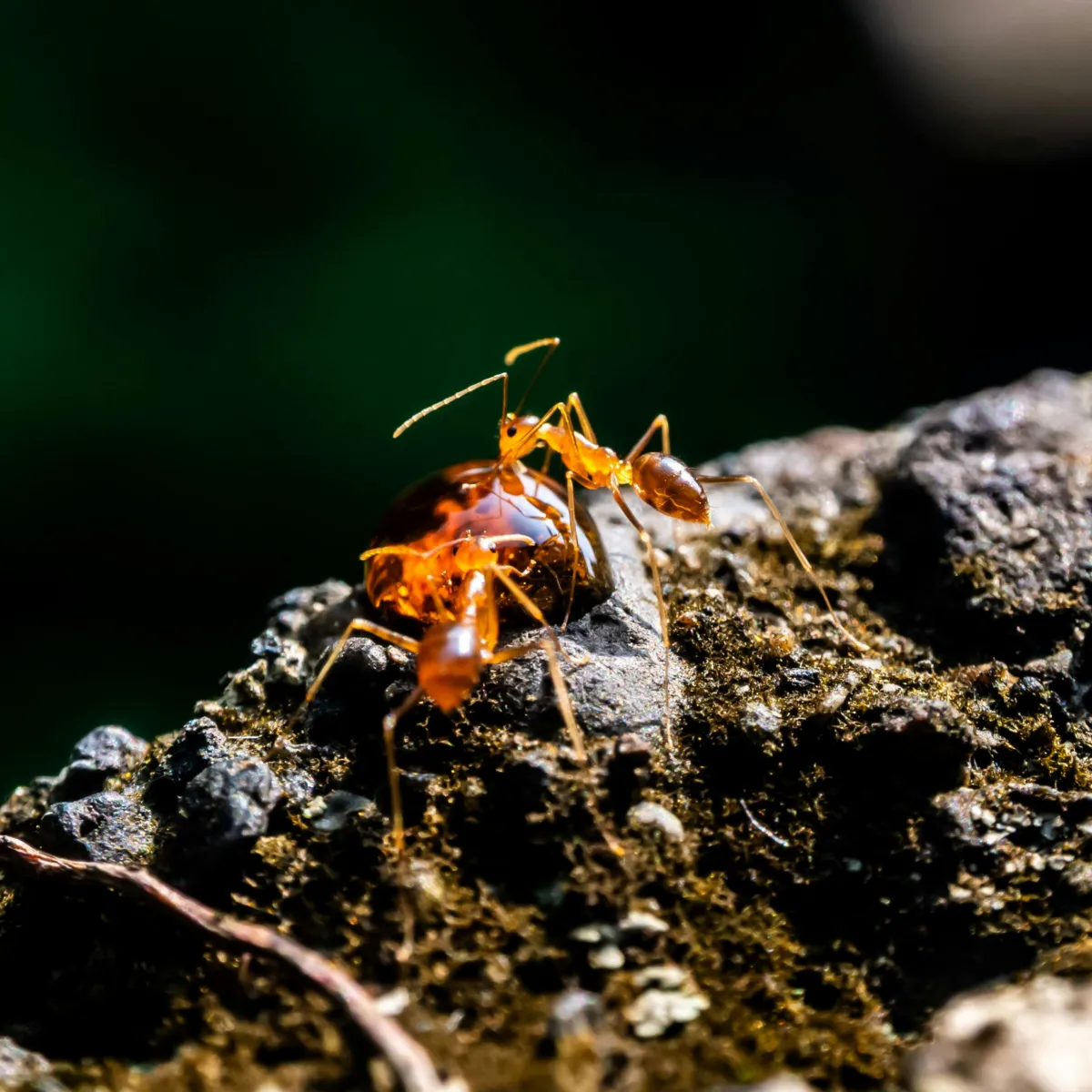
ACTIVE FIRE ANT MOUNDS NEAR PET PATHS AND WALKWAYS

Fire Ant Control for Durant Lawns

Fire ant treatment should focus on what is happening under the soil, not just the mound on top.

Durant lawns often have warm soil, sunlight, irrigation, open turf, and moisture. Those conditions can make fire ants more active, especially in sunny grass, along sidewalks, near driveways, around patios, and beside landscape beds.

Our fire ant control service begins with a lawn inspection. We check visible mound activity, how far the ants may have spread, and where your family, pets, or guests spend time outdoors.

For properties with larger yards, fence lines, sheds, gardens, and open lawn areas, fire ant activity can show up in more than one place. The goal is to treat active fire ant areas, reduce sting risk, and help make the yard usable again.

A FIRE ANT TREATMENT APPROACH FOR DURANT YARDS

How Our Fire Ant Control Service Works

Plant It Earth treats fire ants with your lawn and daily yard use in mind.

Every Durant yard is different. We look at mound locations, the amount of activity, and the places your family, pets, or guests use most.

Inspect the Lawn

We look for active mounds, trails, spreading activity, high-use zones, and areas where stings would be most concerning.

Review the Infestation

One mound near a driveway is different from several mounds across the lawn. We adjust the treatment approach based on what we find.

Treat Active Mounds

Visible fire ant mounds are treated with methods selected for the lawn and infestation level.

Address Wider Lawn Areas

If fire ants are spread across the yard, broader fire ant yard treatment may be recommended to reduce activity beyond one mound.

Explain What to Expect

We provide guidance on what happens after treatment and when pets and family members can return to treated areas.

WHY A SINGLE FIRE ANT MOUND CAN CHANGE THE YARD

Why Fire Ant Control Matters

Fire ants are aggressive, and one mound can affect how the whole yard is used.

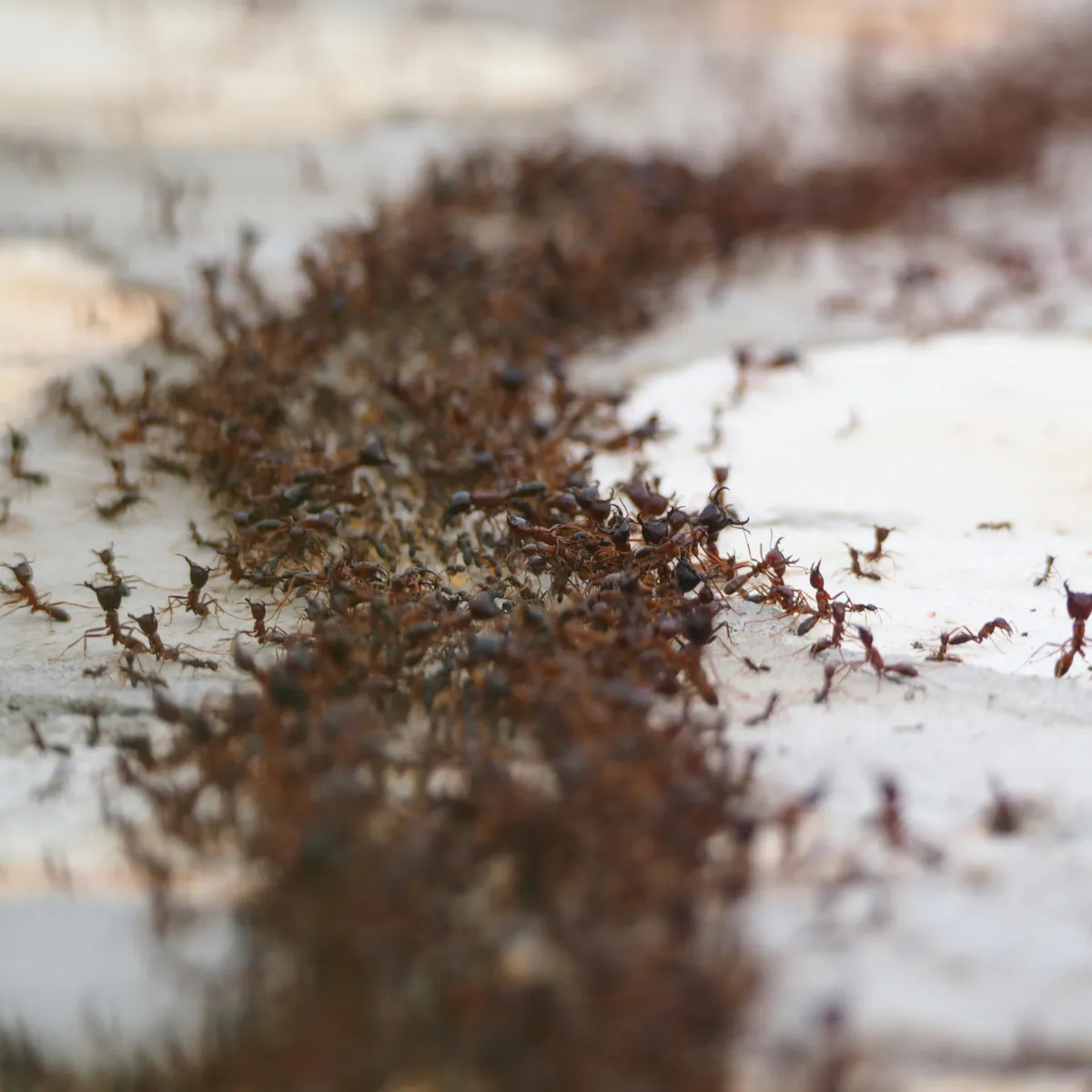
Fire ants are territorial. When their mound is disturbed, they may swarm quickly, climb onto shoes or paws, and sting more than once.

A surface mound can also be part of a larger underground colony. Professional fire ant control helps target activity below the soil instead of only treating the dirt pile you can see.

Fire ants can interfere with mowing, gardening, playtime, pet time, outdoor work, and backyard gatherings. If mounds are near walkways, patios, mailboxes, garden beds, or play areas, treatment should not be delayed.

EARLY SIGNS OF FIRE ANT ACTIVITY IN DURANT

Signs of a Fire Ant Infestation

Fire ant activity often becomes easier to see after rain, irrigation, mowing, or soil disturbance.

In Durant, mounds may appear quickly when the ground is warm and moist. If new mounds keep showing up, the colony may be active below the surface.

Loose Soil Mounds

Fire ant mounds often look like soft, sandy, or fluffy soil in sunny lawn areas. They may not have a clear hole at the top.

Quick Swarming

When a mound is touched, fire ants may rush out and climb onto shoes, tools, clothing, or pet paws.

Reddish-Brown Ants

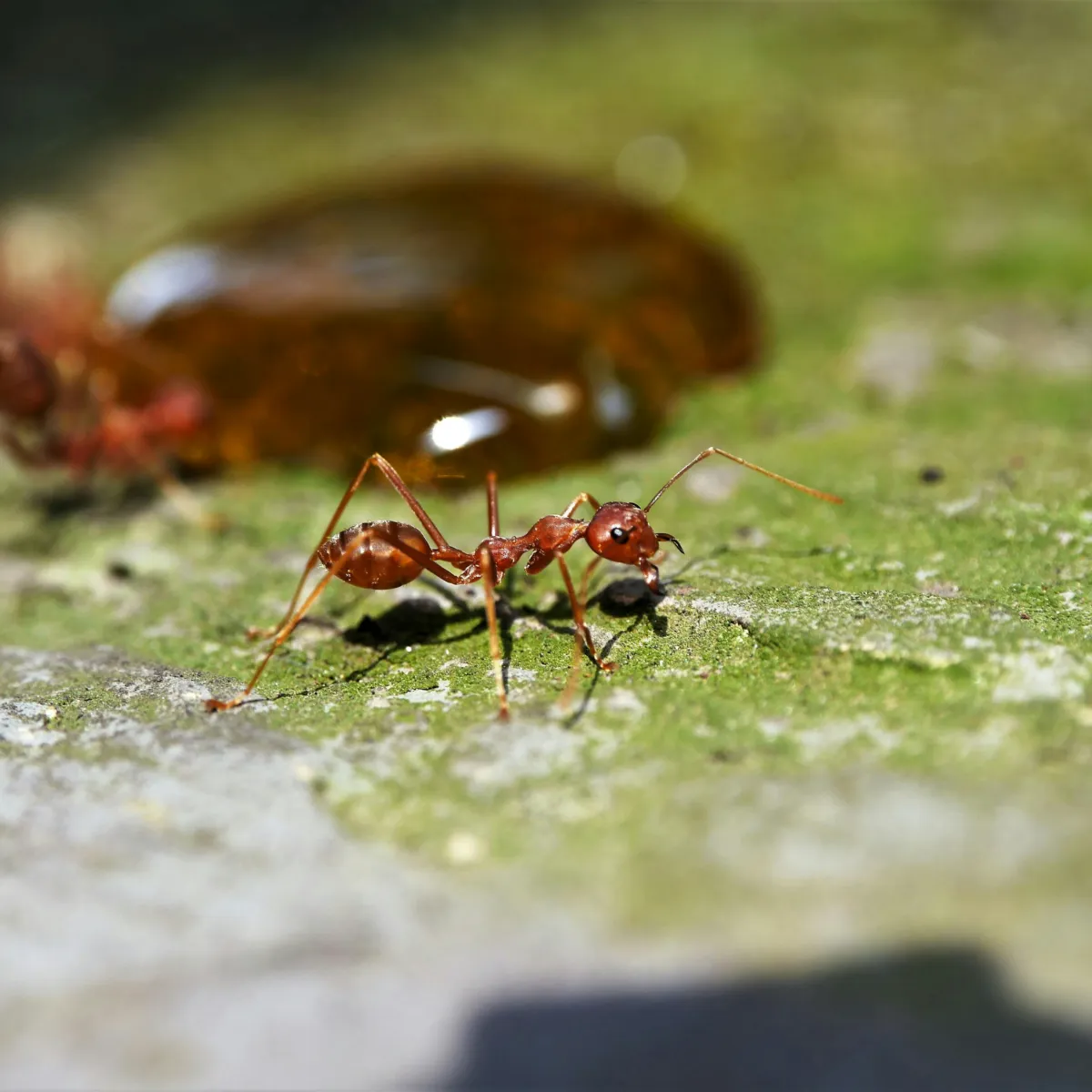
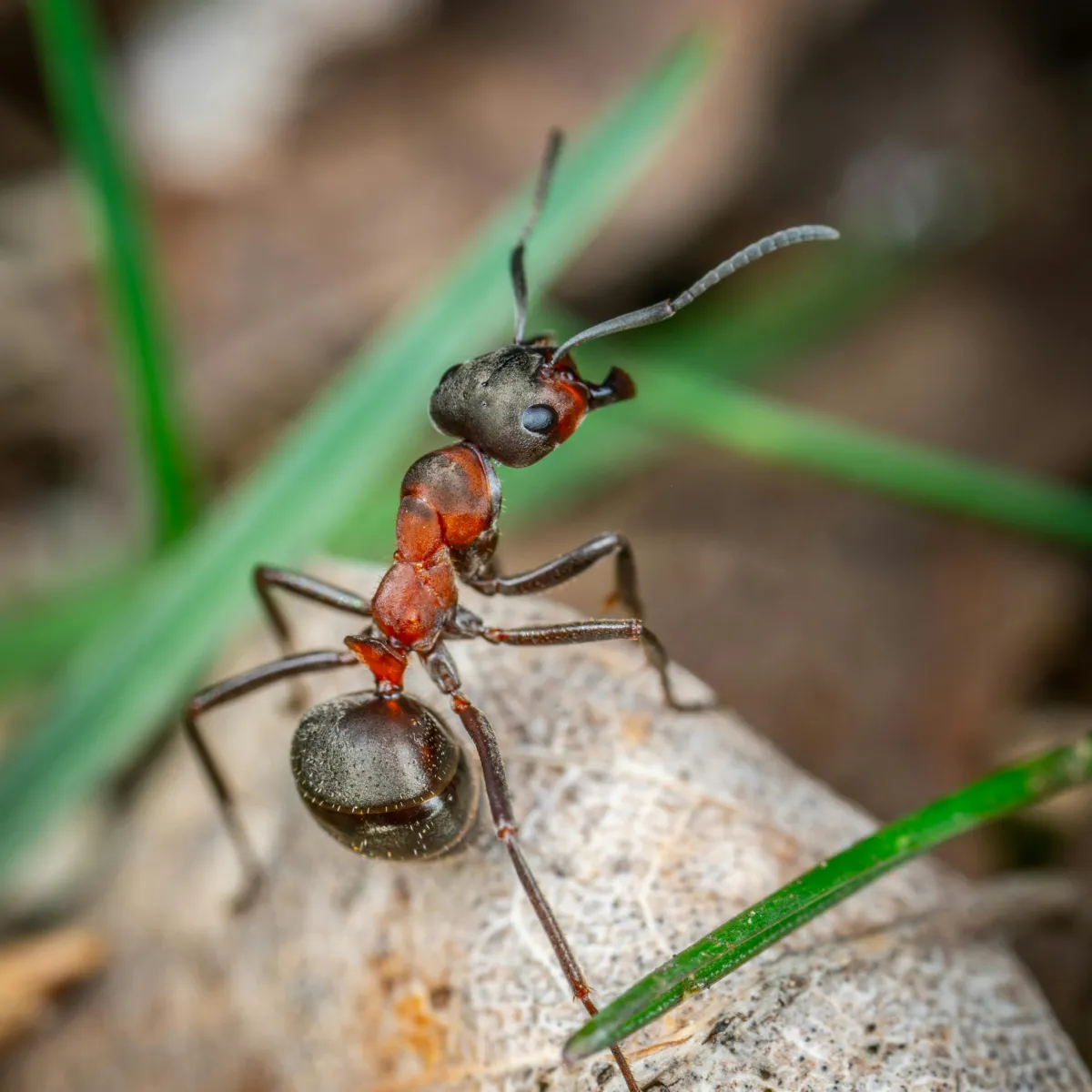
Fire ants are usually reddish-brown and small, though ants within the same colony may vary in size.

Painful Stings

Burning, itching, red bumps, or small pustules after time outside can point to fire ant activity.

Mounds Near High-Use Areas

Mounds near sidewalks, patios, mailboxes, driveways, gardens, play spaces, fence lines, or pet zones should be treated quickly.

HOW FIRE ANTS LOOK AND BEHAVE IN THE LAWN

What Do Fire Ants Look Like?

Fire ants are reddish-brown ants known for fast movement and aggressive colony defense.

Fire ants are usually about 1.6 to 5 mm long. They often build mounds in open, sunny soil and along lawn edges, hardscape borders, and landscape areas.

They may look like ordinary ants at first. The difference is how quickly they swarm and how painful their stings can be when the mound is disturbed.

Correct identification matters because fire ants usually require a different treatment approach than common nuisance ants.

WHY FIRE ANTS RETURN AFTER STORE-BOUGHT PRODUCTS

Why Fire Ants Are Difficult to Get Rid Of

The visible mound is only part of the colony.

Fire ants live underground, and the colony may extend beyond the mound you can see. Some colonies may have multiple queens, which can make them harder to control with basic products.

DIY fire ant killer may reduce surface activity without reaching the queen or deeper colony. Rain, watering, heat, and timing can also affect treatment results.

That is why a mound may look inactive for a short time, then appear again nearby or in another part of the lawn.

FIRE ANT TREATMENT OPTIONS FOR MOUNDS AND TURF

Professional Fire Ant Treatment Options

The right fire ant treatment depends on where the ants are active and how far they have spread.

Professional fire ant treatment may include mound treatment, broadcast lawn treatment, bait-based treatment, or a combined approach.

Mound Treatment

Mound treatment targets specific active colonies where fire ants are concentrated.

Broadcast Lawn Treatment

Broadcast treatment may be used when fire ant activity is spread across a larger part of the lawn.

Bait-Based Treatment

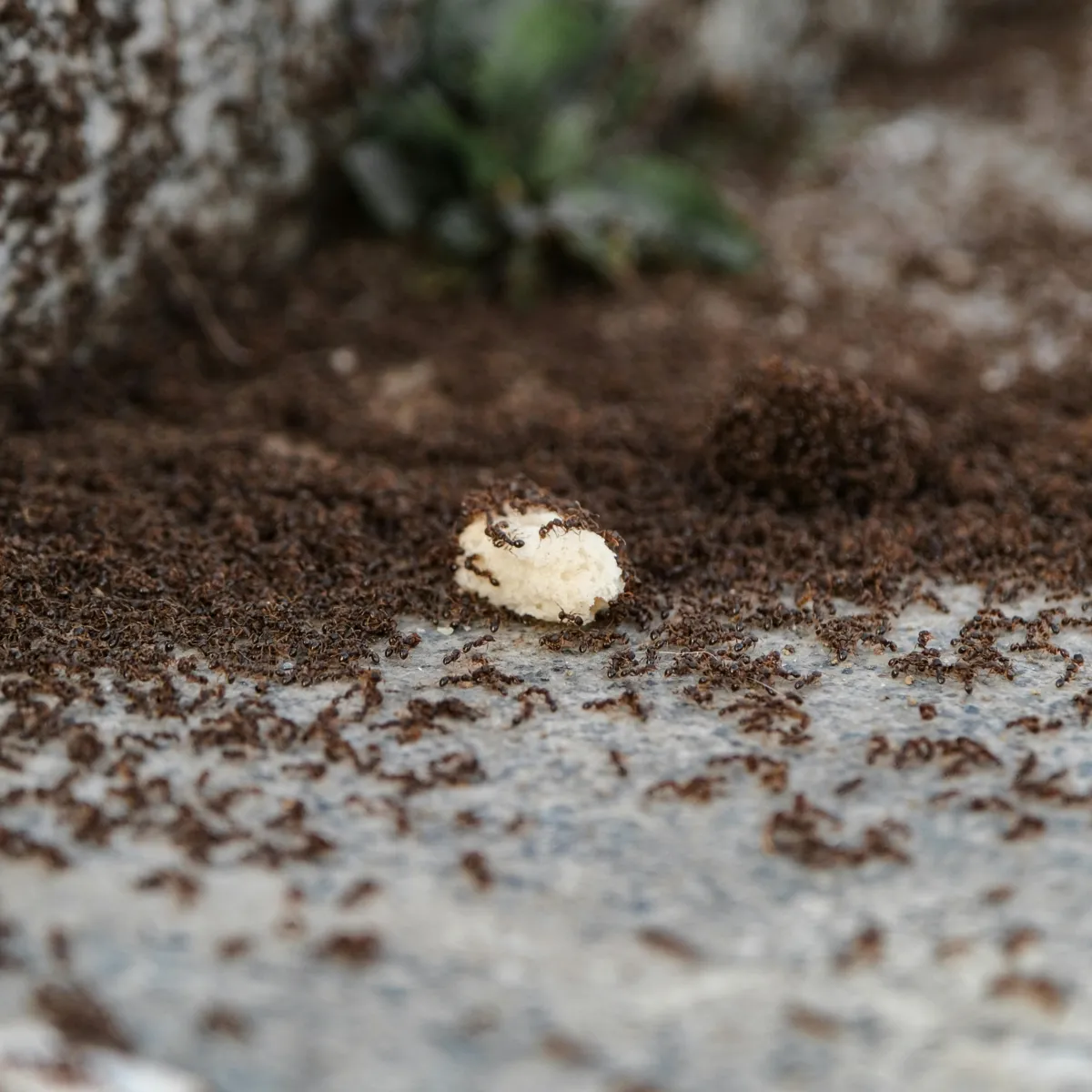
Baits may be used when fire ants are actively foraging and carrying material back to the colony.

Two-Step Treatment

Some lawns may need both active mound treatment and broader lawn protection for better control.

WHY DIY FIRE ANT CONTROL OFTEN MISSES THE COLONY

DIY vs Professional Fire Ant Control

Fire ant control can be frustrating when the colony survives underground.

DIY products may seem to work at first, then another mound appears nearby. That can happen when the queen survives, the colony moves, or another colony becomes active.

Professional fire ant control helps reduce guesswork by matching treatment to the lawn, infestation level, weather, and fire ant behavior.

A professional service also helps homeowners avoid disturbing mounds themselves, which can lower the chance of stings during treatment attempts.

FIRE ANT STINGS AROUND KIDS, PETS, AND GARDEN AREAS

Are Fire Ants Dangerous?

Fire ants can sting repeatedly when their mound is disturbed.

Fire ant stings may cause burning, itching, red bumps, or small pustules. Some people may have stronger reactions and should seek medical attention if symptoms are severe.

Children and pets are often more exposed because they walk, play, sit, or rest close to the grass. Fire ant control helps reduce risk in the areas your family uses most.

If a mound is near a patio, play space, dog area, garden bed, mailbox, walkway, or outdoor work area, scheduling service early can help prevent more painful encounters.

HOW FIRE ANT MOUNDS INTERRUPT LAWN CARE

Can Fire Ants Damage Your Lawn?

Fire ant mounds can make a lawn harder to enjoy and maintain.

Mounds can disrupt turf, create uneven soil, and make mowing more difficult. They can also make certain parts of the yard stressful for pets, children, and guests.

Even when the grass looks healthy, active fire ant mounds can make the lawn feel uncomfortable and unsafe.

Fire ants may also interfere with gardening, outdoor chores, lawn care, and normal daily use of the yard.

WHEN DURANT LAWNS SEE MORE FIRE ANT ACTIVITY

When Are Fire Ants Most Active?

Fire ants prefer warm, sunny, moist conditions.

In Durant, fire ants can stay active for much of the year because of Florida’s warm climate. Activity often increases after rain, during hot months, and around irrigated turf.

Common mound locations include open lawns, sidewalks, driveways, landscape beds, fence lines, and warm soil near hardscape edges.

After heavy rain, mounds may become more visible as colonies adjust underground and push soil upward.

FAMILY AND PET GUIDANCE FOR TREATED LAWN AREAS

Is Fire Ant Treatment Safe for Families and Pets?

A professional fire ant service should explain how to use the yard after treatment.

Fire ant treatments should be applied according to label directions. Plant It Earth provides guidance on when treated lawn areas can be used again.

Depending on the treatment, your technician may recommend keeping pets and family members off treated areas until they are dry or until re-entry guidance has been met.

This is especially important for homes with dogs, children, outdoor play areas, patios, and larger open yard spaces near active mounds.

LOCAL FIRE ANT HELP FOR DURANT HOMES AND YARDS

Why Homeowners Choose Plant It Earth for Fire Ant Control

Durant lawns need fire ant service built for Tampa-area conditions.

Plant It Earth understands how heat, rain, irrigation, turf, open yards, and outdoor living affect fire ant activity. Our service looks at the yard as a whole, not only the mound you can see.

Homeowners choose Plant It Earth for careful inspections, targeted treatment options, family and pet-conscious guidance, easy scheduling, and local lawn pest experience.

We help homeowners reduce fire ant activity in lawns, walkways, patios, play spaces, garden beds, mailboxes, fence lines, and pet areas.

DURANT FIRE ANT CONTROL QUESTIONS

Fire Ant Control FAQs

Take Back Your Durant Yard From Fire Ant Mounds

Fire ants should not make you avoid the lawn, garden, driveway edge, or pet area. Plant It Earth provides fire ant control in Durant with targeted treatment for active mounds and lawn activity.

Request your fire ant service today and make your yard feel easier and safer to use.