WEB CONTROL FOR DOVER HOMES
Spiders are common around Dover homes, especially where there are sheds, garages, porches, fence lines, shaded trees, wood piles, and insects gathering around exterior lights. A few webs outside may not seem like a big deal at first, but when the same corners keep getting covered again, the problem usually needs more than a quick wipe-down.
Plant It Earth provides spider control in Dover, FL for homeowners who want help with recurring webs, egg sacs, spider sightings, and activity around garages, sheds, patios, lanais, and indoor rooms. Our spider pest control service focuses on the places spiders actually use, not just the one spider you noticed today.
Get ready for summer with our limited time offer!
Enjoy your yard this summer by treating mosquitos early in the season. Schedule your service today!
Only $39.95 for your first service
SHEDS, GARAGES & LANAI WEB ACTIVITY
Dover properties can have a mix of open yard space, mature trees, sheds, workshops, detached garages, barns, storage areas, and landscaped beds. These areas give spiders places to hide, build webs, and stay close to insects.
You may notice webs around porch lights, garage corners, shed doors, patio furniture, roof eaves, window frames, or fence lines. If those webs return quickly after cleaning, spiders may still be active nearby.
Plant It Earth inspects the areas where spiders are most likely to live and return. We look for webs, egg sacs, entry points, insect pressure, moisture, clutter, and exterior conditions that make the property more attractive to spiders.
A store-bought spray may kill the spider you see, but it often misses hidden egg sacs, cracks, crevices, and the insect activity that keeps spiders around. Professional spider control helps address the full pattern.
A SPIDER CONTROL PROCESS BUILT FOR DOVER PROPERTIES
Our spider control service is designed to reduce current spider activity while helping prevent spiders from returning to the same spots around the home.
We inspect for webs, egg sacs, spider hiding places, moisture, entry points, and insect activity around the home.
We review garages, sheds, porches, lanais, eaves, door frames, windows, exterior lighting, patio furniture, storage areas, and landscaping close to the structure.
Treatments may be applied around exterior perimeters, cracks, crevices, eaves, garage areas, entry points, sheds, and other spider-prone spaces.
Removing accessible webs and egg sacs helps reduce visible spider pressure and may help prevent new spiders from emerging.
We may recommend sealing small gaps, trimming plants, clearing clutter, managing moisture, reducing outdoor debris, and limiting insect activity around lights.
SPIDERS FOUND NEAR DOVER YARDS AND STORAGE AREAS
Most spiders around Dover homes are nuisance pests, but some species should be handled with more caution. Garages, sheds, storage bins, outdoor furniture, fence lines, and shaded corners are common places to find spider activity.
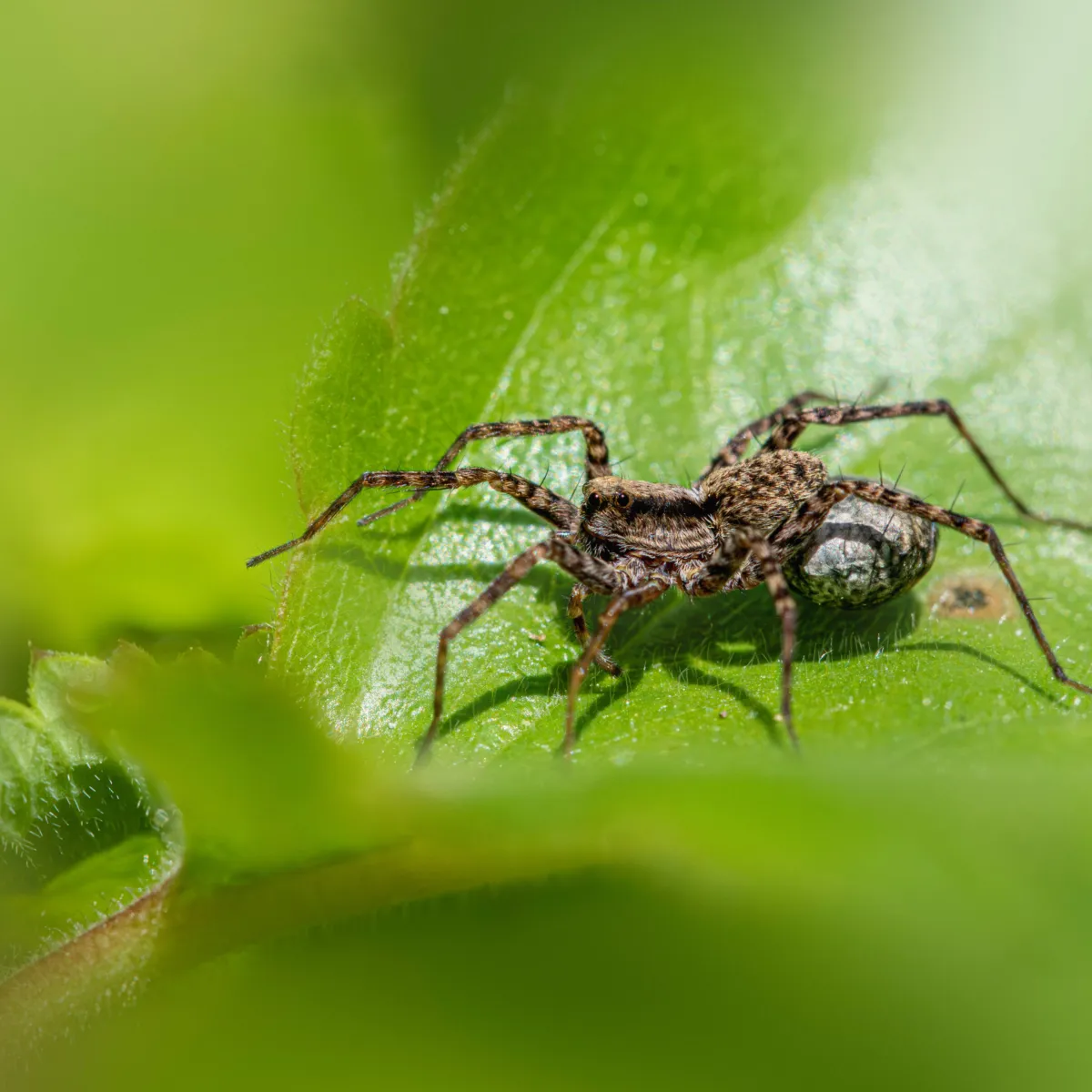
Wolf spiders are larger, fast-moving spiders often seen on garage floors, driveways, patios, workshops, sheds, and lawn edges. They do not build large webs, so homeowners often notice them when they run across an open space.
They are usually nuisance spiders, but their size can make them uncomfortable to find indoors or near stored items.
House spiders build webs in corners, closets, laundry rooms, bathrooms, window frames, and storage spaces. They prefer quiet areas that do not get disturbed often.
If house spiders keep appearing indoors, they may be entering through small gaps or following insects inside.
Brown widows may hide around patio furniture, fences, mailboxes, outdoor toys, storage bins, sheds, and protected exterior corners. They often build webs in places people may reach into without checking first.
Because they can hide near high-use areas, homeowners should be careful around old webbing under chairs, shelves, tables, grills, and outdoor equipment.
Black widows are less common than everyday nuisance spiders, but they may hide in garages, sheds, wood piles, cluttered corners, and dark storage areas.
Avoid handling spiders you cannot identify, especially around yard debris, stored materials, and low-traffic spaces.
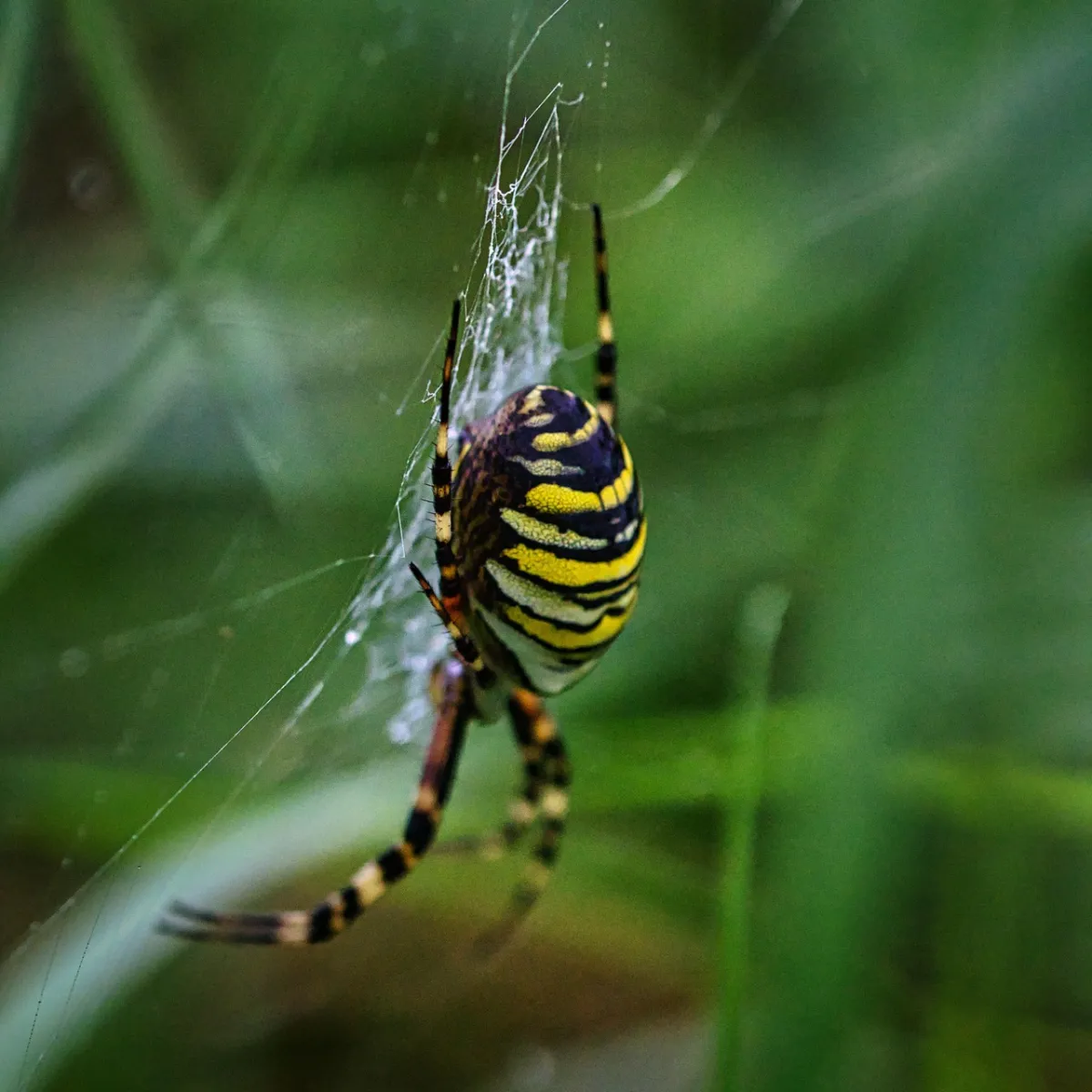
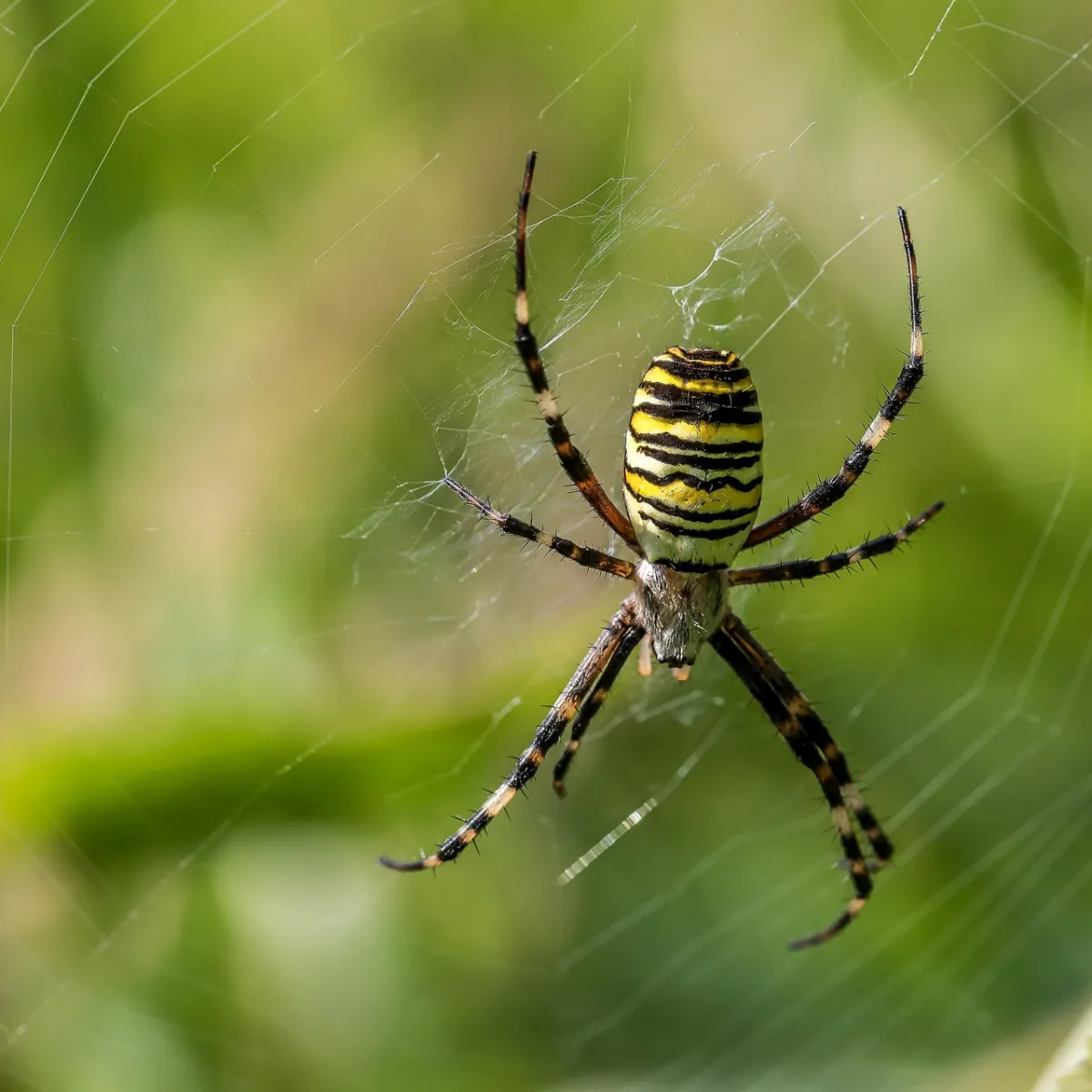
Orb weavers and garden spiders build large outdoor webs around shrubs, trees, rooflines, lights, fences, and walkways. Their webs can appear overnight and may stretch across paths, porches, and patios.
They are usually not aggressive, but the webbing can become frustrating around areas your family uses often.
WHEN WEBBING KEEPS COMING BACK
One spider does not always mean there is a larger issue. The concern starts when webs return quickly, spiders show up in multiple places, or egg sacs appear in protected areas.
Webs around garage openings, porch ceilings, roof eaves, lanai frames, windows, doors, sheds, and patio corners are common signs of spider activity.
Egg sacs may be tucked under outdoor furniture, inside sheds, behind boxes, along garage shelves, around stored equipment, or inside older webbing.
Spiders in bathrooms, kitchens, bedrooms, laundry rooms, and closets may be entering through small gaps or following insects inside.
Spiders build where food is available. If insects gather around porch lights, windows, doors, barns, or garages, spiders may settle nearby.
If the same corner has webs again within a few days, spider activity may still be happening close by.
WHY SPIDERS MOVE FROM THE YARD TO THE HOUSE?
Dover’s warm weather, rain, irrigation, and open outdoor spaces can keep insects active for much of the year. Since spiders feed on insects, they often stay near homes where bugs are already present.
Flies, mosquitoes, ants, roaches, gnats, and small crawling insects can all attract spiders around the home.
Garages, attics, closets, sheds, barns, storage rooms, and covered patios give spiders places where they are rarely disturbed.
Heavy rain can move spiders into dry spaces such as garages, porches, sheds, entryways, and screened areas.
Loose door seals, torn screens, garage door gaps, foundation cracks, vents, and openings around utility lines can give spiders access.
Shrubs, vines, mulch, palms, wood piles, stored equipment, and plants touching the home can create shaded areas for spiders and insects.
In Dover homes, spider hiding areas are often found in places that do not get moved, cleaned, or checked every day.
Boxes, shelves, tools, bins, and garage corners give spiders dark, quiet places to settle.
Sheds, lawn equipment, storage bins, tarps, and unused items can create protected spider hiding places.
Covered outdoor spaces can attract insects and give spiders shaded corners where they can build webs.
These areas provide shelter and keep spiders close to insect activity around the home.
Quiet indoor rooms can become spider hiding areas when spiders move inside.
Leaf buildup, wood piles, clutter, and overgrown fence lines can shelter spiders and the insects they eat.
HOW DOVER WEATHER AFFECTS SPIDER ACTIVITY
Because Dover stays warm for much of the year, spiders may remain active longer than homeowners expect. Rural edges, open yards, sheds, and shaded areas can make activity even more noticeable.
Spiders may become more active as insects increase around lawns, trees, porches, sheds, and outdoor lights.
Rain, humidity, and heavy insect pressure can lead to more webs around porches, garages, eaves, sheds, and shaded areas.
Spiders may move closer to storage areas, garages, sheds, and indoor entry points while looking for protected spaces.
Mild Florida winter weather can allow spider activity to continue in sheds, garages, attics, closets, and exterior corners.
BEYOND QUICK SPRAYS AND SURFACE WEB REMOVAL
Store-bought sprays may kill visible spiders, but they often miss egg sacs, hidden webs, cracks, crevices, and the insects attracting spiders.
Professional spider control helps by treating active zones, reducing accessible webs and egg sacs, addressing entry points, and supporting longer-term pest management around the home.
For Dover homes with recurring garage, shed, porch, patio, or window activity, professional spider pest control can help reduce the cycle instead of reacting to each new web.
SIMPLE WAYS TO MAKE YOUR HOME LESS INVITING TO SPIDERS
Seal gaps around doors, windows, screens, vents, garage doors, and utility openings. Replace torn screens and check weather stripping around exterior doors.
Keep garages, sheds, and storage spaces organized. Remove webs when they appear, trim shrubs away from the home, clear yard debris, reduce clutter, move wood piles away from the structure, and manage moisture near the foundation.
SPIDER TREATMENTS WITH FAMILY ROUTINES IN MIND
Plant It Earth applies treatments according to product label directions and focuses on areas where spider activity is most likely. We keep pets, children, patios, porches, sheds, garages, and daily routines in mind.
Your technician can explain what was treated and provide guidance for using treated areas after service.
LOCAL SPIDER CONTROL FOR DOVER HOMES, SHEDS, AND OUTDOOR SPACES
Plant It Earth understands how heat, rain, insects, landscaping, irrigation, sheds, garages, and outdoor living affect spider activity around local homes.
Homeowners choose Plant It Earth for local knowledge, targeted treatments, friendly technicians, and pest control options that help keep indoor and outdoor spaces more comfortable.
We help reduce spider activity around garages, porches, lanais, sheds, rooflines, window frames, entry points, and outdoor living areas.
DOVER SPIDER CONTROL QUESTIONS
If webs keep coming back around the garage, shed, porch, or entry points, the spiders are likely still using those spaces. Plant It Earth provides spider control in Dover that targets webs, egg sacs, hiding areas, and entry points.
Request your spider control service today and make your home and outdoor spaces feel easier to maintain.